
Industrial OEM Spare Parts Procurement UK | Nexteck
Improve industrial OEM spare parts procurement in the UK with supplier qualification, sourcing risk management, component verification and supply chain planning.
Industrial OEM spare parts procurement UK
Commercial investigation / B2B procurement
UK manufacturers, plant managers, procurement directors, maintenance managers, engineering companies, industrial distributors and supply-chain leaders
London, Birmingham, Manchester, Leeds, Sheffield, Derby, Nottingham, Newcastle, Glasgow and wider UK
Industrial Engineering / Procurement & Supply Chain
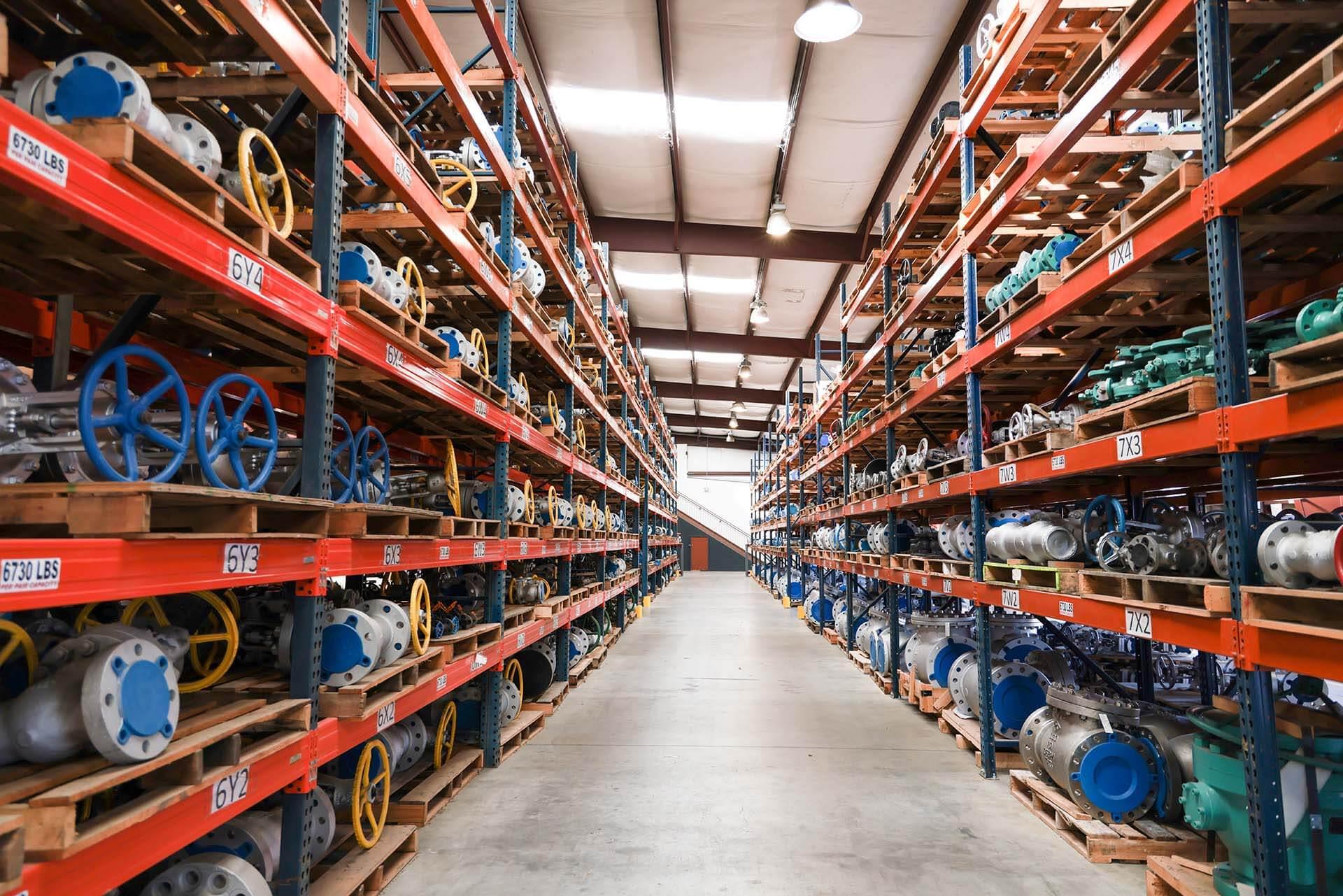
Industrial procurement and engineering team checking OEM spare parts and component specifications
OEM spare parts suppliers UK, industrial component sourcing UK, engineering spare parts procurement, industrial equipment procurement, OEM component sourcing, industrial supplier qualification, replacement parts sourcing UK, manufacturing supply chain resilience, engineering procurement services, industrial spare parts management.
industrial OEM spare parts procurement UK, OEM spare parts sourcing UK, industrial component procurement, engineering parts suppliers, industrial equipment sourcing, supplier qualification UK, replacement component sourcing, manufacturing procurement strategy, industrial supply chain resilience, OEM parts management, engineering procurement services UK, industrial sourcing solutions.
Industrial OEM Spare Parts Procurement: A Strategic Priority for UK Manufacturers
Industrial spare parts procurement is often treated as a routine purchasing activity. When a component fails or a maintenance team identifies a replacement requirement, the immediate priority is to find the correct part, obtain a competitive quotation and arrange delivery.
But industrial procurement is more complicated than finding a supplier with a matching product description.
A replacement component may need to meet precise technical specifications, material requirements, dimensional tolerances, operating conditions and compatibility requirements. A low-cost alternative may create additional engineering risk if its suitability has not been verified.
For UK manufacturers, industrial operators and engineering businesses, OEM spare parts procurement is therefore a combination of supplier qualification, technical verification, sourcing strategy, delivery coordination and risk management.
The right procurement process helps organisations balance cost, quality, availability and operational requirements.
Nexteck's published positioning includes engineering sourcing and supply-chain support alongside enterprise technology and systems integration. Its industry coverage includes engineering and industrial sectors.
This creates a relevant starting point for businesses reviewing their industrial sourcing and procurement processes.
1. What Is Industrial OEM Spare Parts Procurement?
OEM stands for Original Equipment Manufacturer. OEM spare parts are components supplied or specified by the original manufacturer of a machine, system or piece of equipment.
Industrial OEM spare parts procurement involves identifying, sourcing, verifying and purchasing the components required to maintain industrial equipment and production operations.
Examples include:
Pumps and pump assemblies.
Valves and flow-control components.
Motors and drive systems.
Bearings and mechanical assemblies.
Electrical and control components.
Hydraulic and pneumatic parts.
Industrial filtration equipment.
Machine-specific replacement components.
Rail and transport engineering components.
Specialist plant and process equipment.
The procurement process may involve the original manufacturer, authorised distributors, specialist engineering suppliers or qualified alternative manufacturers.
The important point is that a component should not be selected on price or appearance alone. Its technical suitability must be established.
2. Why Industrial Spare Parts Procurement Is Challenging
Complex technical specifications
Industrial components are often defined by more than a product name.
A procurement team may need to confirm:
Manufacturer and model number.
Part number and revision.
Dimensions and tolerances.
Material and grade.
Pressure and temperature ratings.
Electrical characteristics.
Connection types.
Performance requirements.
Certifications and inspection documents.
Compatibility with the existing equipment.
Missing or inaccurate information can lead to incorrect quotations, delays and unsuitable deliveries.
Long or uncertain lead times
Some industrial components are readily available, while others may require manufacturing, specialist testing or international shipping.
A procurement team that relies on a single supplier may have limited options when availability changes.
A structured sourcing process should identify lead-time risks early and establish realistic delivery expectations.
Supplier reliability
A supplier's ability to provide a quotation does not automatically prove its ability to deliver the required component.
Businesses should assess technical capability, quality controls, documentation, communication, delivery performance and relevant commercial conditions.
International sourcing complexity
UK manufacturers may purchase components from suppliers in multiple countries.
International sourcing can introduce additional considerations such as:
Export documentation.
Import requirements.
Customs procedures.
Currency exposure.
Freight and insurance.
Packaging standards.
Delivery responsibilities.
Country-specific supplier risks.
These factors should be considered as part of the total procurement cost.
3. OEM Parts vs Alternative Industrial Components
One of the most important decisions in industrial procurement is whether to purchase an original OEM component or consider a technically suitable alternative.
Procurement factor | Original OEM component | Alternative component |
|---|---|---|
Manufacturer source | Original equipment manufacturer | Another manufacturer |
Specification | Based on OEM documentation | Must be independently verified |
Compatibility | Usually designed for the specified equipment | Requires technical confirmation |
Availability | Depends on OEM stock and production | May offer additional sourcing options |
Cost | Can be higher or lower depending on the part | May offer different price points |
Documentation | Depends on the OEM's supplied documentation | Must be assessed before approval |
Approval | Subject to equipment and maintenance requirements | May require engineering approval |
An alternative component is not automatically unsuitable. Equally, a cheaper component is not automatically a good substitute.
Before accepting an alternative, the engineering team should confirm technical compatibility, applicable standards, material suitability, performance requirements and any warranty or certification implications.
For safety-critical or regulated equipment, the organisation must follow its formal engineering approval process.
4. A Practical Supplier Qualification Framework
Supplier qualification helps businesses assess whether a potential supplier is suitable for a particular procurement requirement.
Instead of evaluating suppliers solely on quoted prices, organisations should use a consistent assessment process.
Technical capability
Can the supplier provide the exact component or a verified alternative?
Review its ability to interpret drawings, specifications, part references and technical requirements.
Quality management
Assess the supplier's quality procedures, inspection capabilities and traceability arrangements.
Where relevant, request quality certifications and supporting documentation, then verify their scope and validity.
Manufacturing and sourcing capability
Understand whether the supplier manufactures the component directly or sources it from another organisation.
This distinction matters because the buyer may need visibility of the actual manufacturer and supply chain.
Delivery performance
Review realistic lead times, delivery commitments, logistics arrangements and previous performance where evidence is available.
Documentation and traceability
Depending on the component, relevant documents may include:
Certificates of conformity.
Material certificates.
Inspection reports.
Test documentation.
Serial or batch references.
Manufacturer documentation.
Technical drawings.
Relevant compliance records.
Documentation requirements should be defined before purchase rather than requested after delivery.
Commercial reliability
Evaluate quotation validity, payment conditions, warranty terms, currency exposure and communication quality.
A supplier that provides a lower quotation but cannot confirm key delivery and documentation requirements may create additional operational cost.
5. How to Reduce Industrial Procurement Risk
Industrial procurement risk can affect equipment availability, production continuity, maintenance schedules and operating costs.
A structured risk-management approach should cover the full sourcing lifecycle.
Avoid unnecessary single-supplier dependency
Where practical, identify alternative qualified suppliers for important components.
This does not mean every part needs multiple suppliers. Critical components should receive a risk-based review to establish whether an alternative source is commercially and technically realistic.
Improve component specification quality
Incomplete requests create delays because suppliers must repeatedly ask for clarification.
Procurement teams should use structured request templates containing part numbers, drawings, quantities, required dates and technical requirements.
Verify supplier identity and authority
Where OEM authenticity is important, confirm the supplier's relationship with the manufacturer and obtain appropriate evidence.
Avoid relying on unverified product descriptions or unsupported claims of authorised status.
Establish a critical-spares strategy
Not all components deserve the same stocking policy.
Businesses should consider:
Equipment criticality.
Failure impact.
Historical usage.
Supplier lead time.
Storage requirements.
Shelf life.
Repairability.
Replacement availability.
A critical-spares register can help maintenance and procurement teams make more consistent decisions.
Monitor procurement exceptions
Track delayed deliveries, incomplete documentation, specification mismatches and supplier quality issues.
These exceptions can reveal recurring weaknesses in the sourcing process.
6. The Role of Global Sourcing in UK Industrial Procurement
Global sourcing can expand access to manufacturers, specialist engineering suppliers and alternative production capabilities.
For UK organisations, international sourcing may be relevant when domestic availability is limited, a component requires specialist manufacturing or a business wants to evaluate additional supplier options.
However, sourcing internationally should involve more than comparing unit prices.
A proper evaluation should include:
Technical specification confirmation.
Supplier identity and capability checks.
Quality and inspection requirements.
Manufacturing and delivery lead times.
Export and import documentation.
Freight, insurance and customs costs.
Currency and payment exposure.
After-sales and replacement arrangements.
The total landed cost may differ significantly from the supplier's quoted unit price.
Nexteck's website describes global engineering sourcing across the UK, Europe and Asia-Pacific, with industrial and rail-related supply-chain coverage.
Businesses considering international procurement can explore the Nexteck industries page for its published sector coverage.
7. How Digital Procurement Workflows Improve Visibility
Many procurement teams still depend on emails, spreadsheets and manually maintained supplier records.
These tools can be useful, but they may become difficult to manage when purchase volumes, supplier numbers and technical requirements increase.
Digital procurement workflows can connect information across:
Purchase requisitions.
Technical specifications.
Supplier quotations.
Supplier qualification records.
Purchase orders.
Delivery tracking.
Goods-receiving records.
Inspection documentation.
Invoice and payment processes.
For example, a maintenance team could submit a structured spare-parts request containing an equipment reference, component number, quantity and required delivery date.
The procurement team could then review the request, identify qualified suppliers, compare quotations and record the selected supplier.
A connected workflow could also highlight missing technical documentation or overdue delivery updates.
This improves process visibility without removing the need for human judgement and approval.
8. Using Data to Improve Spare Parts Planning
Procurement decisions become more effective when businesses understand how components are used and how supply risks change over time.
Useful information includes:
Historical purchase orders.
Component consumption.
Maintenance demand.
Supplier lead times.
Stock levels.
Emergency purchasing frequency.
Supplier delivery performance.
Rejected or returned components.
Price changes.
Equipment criticality.
This information can support more informed purchasing and inventory decisions.
For example, repeated emergency purchases of a long-lead-time component may indicate a need to review stock policy, supplier arrangements or maintenance planning.
Similarly, frequent delivery delays from one supplier may justify a supplier performance review.
The goal is to make procurement more proactive and less dependent on urgent, reactive purchasing.
9. Procurement KPIs Every UK Engineering Business Should Monitor
A procurement strategy should be evaluated through measurable operational and commercial indicators.
KPI | Purpose |
|---|---|
Supplier on-time delivery | Measures delivery performance |
Purchase order cycle time | Measures time from approved request to order placement |
Supplier quotation response time | Tracks how quickly suppliers respond |
Specification rejection rate | Identifies mismatched or unsuitable components |
Emergency purchase frequency | Highlights reactive procurement activity |
Total landed cost | Captures broader purchasing and logistics costs |
Supplier documentation completeness | Measures availability of required records |
Supplier concentration | Shows dependency on a limited supplier base |
Inventory availability | Measures whether required parts are available when needed |
These measures should be reviewed against the organisation's baseline, component criticality and procurement model.
A low purchase price should not be treated as success if it increases quality problems, delivery risk or operational disruption.
10. A Step-by-Step Industrial Procurement Improvement Plan
Businesses do not need to replace their entire procurement process at once.
A phased improvement plan can help identify the most valuable changes.
Step 1 – Review current procurement processes
Map how spare-parts requests are raised, approved, quoted, purchased, received and recorded.
Step 2 – Identify high-risk components
Prioritise components with high operational impact, long lead times, limited supplier availability or complex technical requirements.
Step 3 – Improve supplier records
Create consistent supplier profiles covering technical capability, quality information, documentation and delivery performance.
Step 4 – Standardise technical requests
Introduce structured forms and specification templates to reduce incomplete enquiries and quotation delays.
Step 5 – Evaluate sourcing options
Compare OEM and alternative sourcing options where technically appropriate, using total cost and risk rather than unit price alone.
Step 6 – Connect procurement information
Where useful, integrate procurement workflows with inventory, maintenance, finance and reporting systems.
Step 7 – Monitor performance
Review procurement KPIs, supplier exceptions and recurring sourcing problems on a regular basis.
Businesses can use the Nexteck SME Strategy & Tracking Toolkit to structure business diagnostics, track technology opportunities and monitor operational KPIs.
11. How Nexteck Can Support Industrial Sourcing and Technology Requirements
Industrial procurement involves both physical components and the information systems used to source, manage and track them.
Businesses may need support with engineering sourcing, supplier coordination, procurement visibility, technology architecture and connected operational workflows.
Nexteck's published capabilities cover industrial engineering supply chains, global sourcing and enterprise technology. Its website also describes support for engineering and rail-related requirements.
Depending on the specific requirement, relevant areas for discussion may include:
Industrial OEM spare-parts sourcing.
Engineering component procurement.
Supplier and sourcing coordination.
International supply-chain requirements.
Procurement workflow assessment.
Business systems integration.
Operational reporting and KPI visibility.
Custom technology architecture.
The correct sourcing route depends on the component specification, manufacturer requirements, supplier availability, documentation needs and commercial conditions.
Need a more structured approach to industrial procurement? Visit Nexteck to explore its engineering and technology capabilities and discuss your sourcing requirements.
Frequently Asked Questions: Industrial OEM Spare Parts Procurement UK
1. What is OEM spare parts procurement?
OEM spare parts procurement is the process of purchasing components manufactured or specified by the original equipment manufacturer for industrial machinery, plant, vehicles or equipment.
2. How can UK manufacturers find reliable OEM spare parts suppliers?
Businesses should verify supplier identity, technical capability, component authenticity, quality documentation, delivery performance and commercial terms before placing an order.
3. Are alternative industrial components suitable for OEM replacements?
They can be suitable in some cases, but compatibility must be verified against engineering specifications, material requirements, operating conditions and applicable approval procedures.
4. What documents should businesses request when buying industrial components?
Depending on the component, relevant documents may include certificates of conformity, material certificates, inspection reports, test records, serial or batch details and manufacturer documentation.
5. What is the difference between OEM sourcing and global sourcing?
OEM sourcing focuses on obtaining original manufacturer components or approved channels. Global sourcing involves evaluating suppliers across different countries and may include OEMs, distributors and other qualified manufacturers.
6. How can procurement teams reduce spare-parts lead times?
They can improve technical specifications, identify qualified alternative suppliers where appropriate, monitor supplier performance, plan critical stock and establish clearer procurement workflows.
7. Why is supplier qualification important in industrial procurement?
Supplier qualification helps buyers assess technical capability, quality processes, traceability, documentation, delivery reliability and commercial suitability before purchasing.
8. What is total landed cost in industrial procurement?
Total landed cost includes the purchase price and relevant additional expenses such as freight, insurance, customs charges, handling and other costs required to bring the component to its destination.
9. Can procurement workflows be automated?
Yes. Businesses can automate selected activities such as request routing, quotation tracking, purchase-order updates, delivery reminders and document collection, while retaining appropriate human approvals.
10. Can Nexteck support industrial engineering sourcing requirements?
Nexteck publishes industrial engineering sourcing and supply-chain capabilities, alongside technology and systems integration services. Specific requirements should be discussed directly to confirm suitability and scope.